Hearthgrove · by the window
For when you miss the House and its quiet tides.

Books Like Piranesi

Piranesi keeps a journal in a House without end — endless marble halls, a whole parliament of statues, tides that climb the lower staircases — and he loves it all with a clear, unhurried tenderness that makes the book feel warm rather than lonely. The mystery of who he really is unspools quietly, in his own careful handwriting, and we'll not spoil where it goes.

What people tend to want next is that exact feeling: a vast, dreamlike place you'd happily keep wandering, a gentle narrator, and prose hushed enough to read by candlelight. So that is what we have gone looking for.

A few are the obvious doorways — Susanna Clarke's own earlier novel, the read-alikes that Reddit and Goodreads keep returning to — and a couple are stranger rooms worth opening. Here is where we would send you.
The one you loved

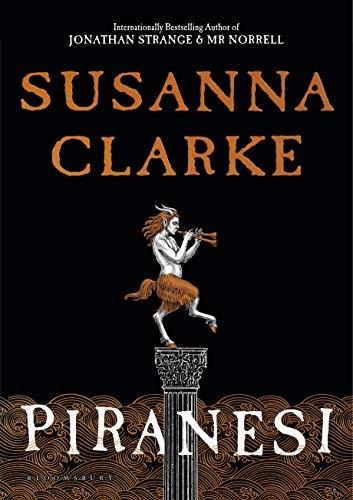
Piranesi — Susanna Clarke Quietly UncannyLonely And Luminous Piranesi
A man lives alone in a vast house of marble statues and rising tides, keeping tender, methodical notes on everything he sees. To say more would spoil it. Quiet, uncanny, and the sort of beautiful that trails you for weeks. Read it when you want to be held by a mystery rather than chased by one.

★★★★☆ · 4.25 on Goodreads
£8.99 paperback

If you loved Piranesi, try these

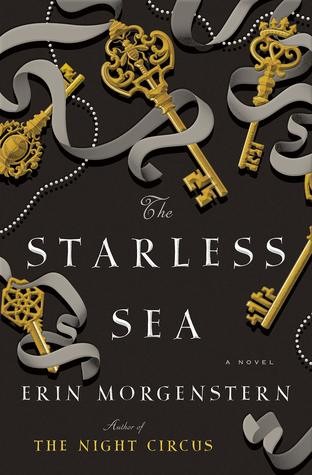
The Starless Sea

Erin Morgenstern

Down beneath everything lies the Harbour, a honeycomb of stone halls and story-soaked rooms a lone seeker wanders in much the same wonder Piranesi feels for his House. Here too the place itself is the real protagonist, and you'll want to stay long after the plot has had its say.

On our shelves →

Jonathan Strange & Mr Norrell

Susanna Clarke

Clarke's own earlier novel, and the obvious next door to open: the same eerie, scholarly voice, and the same uncanny faerie architecture — the King's Roads, the endless halls of Lost-hope — glimpsed just behind our world. If it was her prose and her doorways you fell for, start here.

On our shelves →

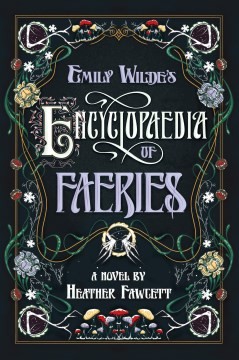
Emily Wilde's Encyclopaedia of Faeries

Heather Fawcett

A near-exact structural cousin: a meticulous scholar narrates in journal entries, cataloguing a beautiful, dangerous otherworld just as Piranesi documents his statues, tides and halls. Both are the field-notebooks of a careful mind trying to map the uncanny — though Emily is rather pricklier company.

On our shelves →

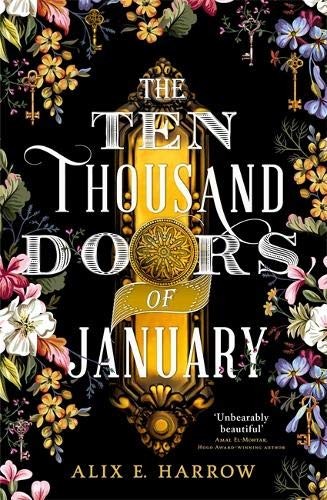
The Ten Thousand Doors of January

Alix E. Harrow

A lonely girl pieces together her own self, and a hidden geography of other worlds, from found written fragments — much as Piranesi rebuilds himself from his notebooks. The same lyrical ache of doors left standing open into elsewhere.

On our shelves →

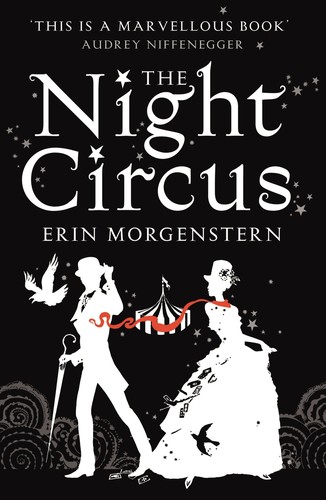
The Night Circus

Erin Morgenstern

The other title people pair with Piranesi when they go searching, and rightly so. A hushed, dreamlike marvel of a place you simply want to wander, where atmosphere and wonder matter rather more than plot momentum.

On our shelves →

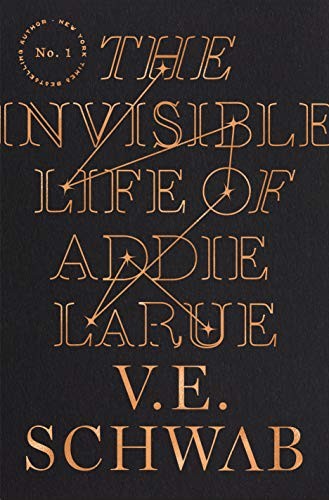
The Invisible Life of Addie LaRue

V.E. Schwab

This one shares Piranesi's deepest wound: a person erased from memory and the world, alone for a very long time. A tender, melancholy meditation on being forgotten and on quietly enduring the solitude of it.

On our shelves →

The Bear and the Nightingale

Katherine Arden

For Piranesi's reverence toward unseen presences: a girl honours the old household spirits much as Piranesi tends his statues and the dead of his House. The same lyrical devotion to a beautiful, watchful world.

On our shelves →
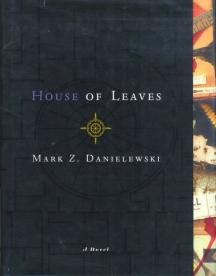
House of Leaves — Mark Z. Danielewski

House of Leaves

Mark Z. Danielewski

The comparison readers reach for most, if you can stomach something far darker and stranger — an impossible house that keeps growing larger on the inside, where the architecture is unmistakably the main character. We don't stock it, but it is the definitive endless-house read.

Good questions

What should I read after Piranesi?

Susanna Clarke's own Jonathan Strange & Mr Norrell is the natural next step — the same voice, the same doorways into Faerie. After that, Erin Morgenstern's The Starless Sea, for another labyrinth you can happily lose yourself in.

Is there a sequel to Piranesi?

No. Clarke hasn't written a sequel, and part of the book's spell is that it ends exactly where it should. The titles above are the way to chase the feeling rather than the story.

Is Piranesi a standalone or part of a series?

It's a complete standalone — her second novel, after Jonathan Strange & Mr Norrell (2004). The two share a sensibility but no plot, so you can read either first.

What is Piranesi actually about?

A man who calls himself Piranesi lives in an immense House of endless halls, marble statues and tides, keeping careful journals and believing the House to be the whole world. Slowly a mystery surfaces about who he really is and how he came to be there — told entirely in his own gentle handwriting. We'll say no more than that.

Which authors write like Susanna Clarke?

For her eerie, scholarly tone, start with Heather Fawcett and Erin Morgenstern. For the lonely, lyrical portal-fantasy ache, Alix E. Harrow and V.E. Schwab are close cousins.

Are there books like both Piranesi and The Night Circus?

Plenty of readers love the pair, so you're in good company. The bridge between them is mood — hushed, dreamlike, wonder over plot — which is exactly what The Starless Sea and The Ten Thousand Doors of January offer.

Strange & Beautiful →Whimsy & Folklore → ← More read-alikes Browse every book →