Magic as the true names of things — quiet, weighed, kind.
Ursula K. Le Guin
Ursula K. Le Guin (1929-2018) is one of the writers other writers point to. An American novelist born in Berkeley, California, to the anthropologist Alfred L. Kroeber and the writer Theodora Kroeber, she spent most of her life in Portland, Oregon. She is best known for the Earthsea fantasy series and for the science fiction of her Hainish universe, including The Left Hand of Darkness, and along the way she gathered eight Hugo Awards and six Nebula Awards.
Cosy isn't quite the word for her — her books are weighed and quiet rather than soft — but if you love fantasy that treats you like a grown-up, she belongs on your shelf. She writes magic as the true names of things, which makes every spell feel considered and a little grave.
If you're wondering where to start, what she's best known for, or what order the Earthsea books go in, the answers are happily simple, and we've set them out below. Earthsea reads best in publication order, beginning with A Wizard of Earthsea.
A gifted, arrogant boy summons something he shouldn't, then spends the book sailing a grey northern sea to face it. Le Guin writes magic as the true names of things, which makes everything feel weighed and quiet. Read it when you want fantasy that treats you like a grown-up.
★★★★☆ · 4.02 on Goodreads
£8.99 paperback
Where to start
Start with A Wizard of Earthsea (1968). It's the first Earthsea book and a self-contained coming-of-age story — her most famous fantasy, and the gentlest doorway into her world before you go on to the rest of the cycle or her science fiction. It's the one Le Guin book we stock.
Ursula K. Le Guin’s books
A Wizard of Earthsea 1968
The first Earthsea book: Ged, a gifted, prideful young mage, studies at the wizards' school on Roke and then must face a shadow he himself let loose. A quiet, contemplative coming-of-age and the gentlest doorway into her world.
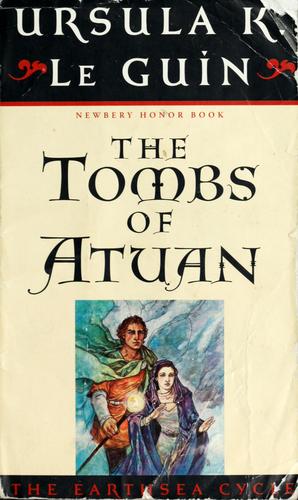
The second Earthsea book turns to Tenar, a girl raised as a priestess in a dark underground labyrinth, whose ordered life is undone when the wizard Ged arrives seeking a lost treasure.
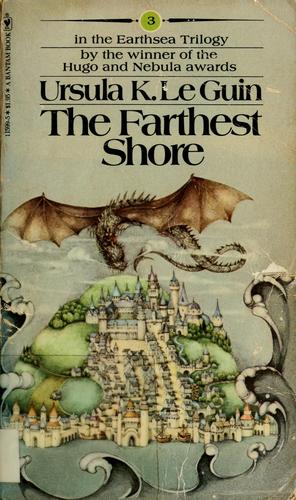
The Farthest Shore 1972
The third book sends an older Ged and the young prince Arren sailing to the edge of the world to learn why magic is draining away. It won the U.S. National Book Award for Children's Books.
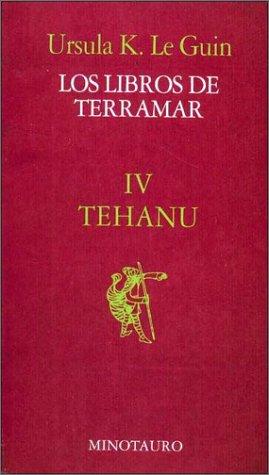
Tehanu 1990
Le Guin returned to Earthsea after eighteen years for this fourth book, centred on the widowed Tenar and a badly abused child she takes in. Quieter and more domestic than what came before, it won the Nebula Award.
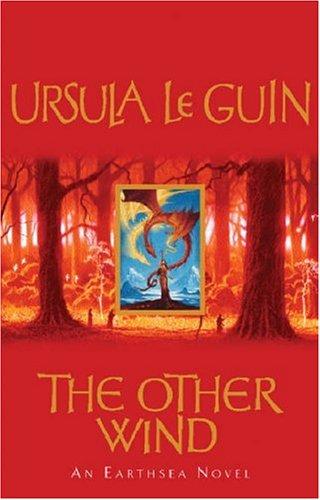
The Other Wind 2001
The sixth and final Earthsea novel: a sorcerer plagued by dreams of the dead seeks Ged's help to mend the boundary between the living and the dead. It won the World Fantasy Award.
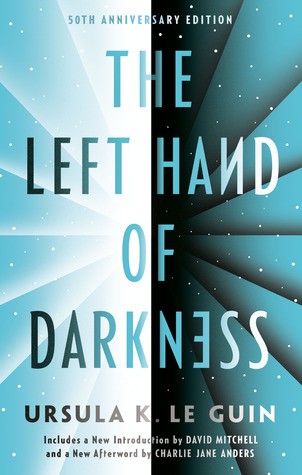
The Left Hand of Darkness 1969
Her landmark Hainish science-fiction novel — a lone envoy on the icy planet Gethen, whose people have no fixed sex. It won both the Hugo and Nebula Awards, the first novel by a woman to take both.
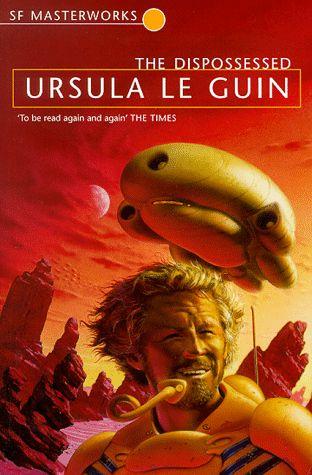
The Dispossessed 1974
A Hainish novel that sets an austere anarchist moon against its wealthy capitalist neighbour, seen through the physicist Shevek. It, too, won both the Hugo and the Nebula.
Catwings 1988
A short, gentle illustrated children's book about four city-born kittens born with wings, who fly off to find a safer home in the countryside. The first of a four-book series illustrated by S. D. Schindler.
Good questions
What order should you read Ursula K. Le Guin's Earthsea books in?
Publication order: A Wizard of Earthsea (1968), The Tombs of Atuan (1970), The Farthest Shore (1972), Tehanu (1990), the story collection Tales from Earthsea (2001), and finally The Other Wind (2001). The original first trilogy stands well on its own; read Tales from Earthsea before The Other Wind, as its stories deepen the final novel.
What is Ursula K. Le Guin best known for?
The Earthsea fantasy series and the science fiction of her Hainish universe, especially The Left Hand of Darkness. She won eight Hugo Awards and six Nebula Awards, was named a Grand Master by the Science Fiction and Fantasy Writers of America in 2003, and received the National Book Foundation Medal for Distinguished Contribution to American Letters in 2014.
Is A Wizard of Earthsea a standalone or part of a series?
Both, comfortably. It opens the six-book Earthsea Cycle, but the first novel was written to stand alone and reads perfectly well on its own.
Are the Earthsea books suitable for younger or sensitive readers?
The early Earthsea books are quiet, contemplative coming-of-age fantasy, gentle in pace and language. Tehanu turns darker and more domestic — it centres on a badly abused child — so it's the one to know about before handing the series to a younger or more sensitive reader. For the youngest, her Catwings books are pure warmth.
What books are like Ursula K. Le Guin?
Her own range answers it best: if you loved the quiet of Earthsea, her Hainish science fiction — The Left Hand of Darkness and The Dispossessed — carries the same weighed, humane voice. For more in this register, our Autumnal Classics shelf gathers the literary, considered end of our cosy-fantasy stock.
Did Ursula K. Le Guin write a new book, or is one coming?
No new novel is coming: Le Guin died in 2018. Anything appearing under her name now is a posthumous collection rather than new work.
 Coming Of AgeSea And Magic
A Wizard of Earthsea
Coming Of AgeSea And Magic
A Wizard of Earthsea