John Ronald Reuel Tolkien (1892–1973) was an English writer, poet and philologist who spent his working life at Oxford — Rawlinson and Bosworth Professor of Anglo-Saxon, then Merton Professor of English Language and Literature. In his spare hours he built Middle-earth: a whole legendarium with its own invented languages, the kind of world only a man who loved old words could have grown.
He is the author of The Hobbit (1937) and The Lord of the Rings (1954–1955), and is widely regarded as the father of modern fantasy — the writer whose work lit the fire the whole genre has warmed itself by ever since. If you've ever loved a cosy quest, a song round a campfire, or a hero who'd really rather be at home, you've felt his hand on the page.
Newcomers always ask the same two things: which are his best books, and what order to read them in. The honest answer to both starts in the same place — with the smallest, homeliest book he wrote — and we'll point you there below.
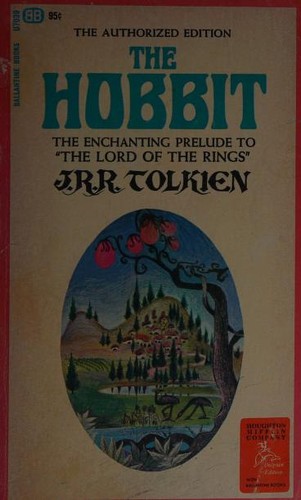
A respectable hobbit who'd rather be having a second breakfast gets bundled out the door by thirteen dwarves and a meddling wizard. It's all riddles in the dark, songs round the fire, and a longing for home that only grows the further you go. Read it when the nights draw in.
★★★★☆ · 4.29 on Goodreads
£8.99 paperback
Where to start
Start with The Hobbit. It comes first by publication and by the calendar of Middle-earth, it's shorter and lighter than The Lord of the Rings, and it eases you in gently through Bilbo Baggins' homely, reluctant adventure. It's the natural comfort-read gateway to everything else Tolkien wrote — and it's one we stock.
J.R.R. Tolkien’s books
The Hobbit 1937
Bilbo Baggins is bundled out of his door by Gandalf and thirteen dwarves, off to reclaim a treasure the dragon Smaug is sleeping on. This is where Middle-earth — and a certain magic ring — first appear; read it when the nights draw in.
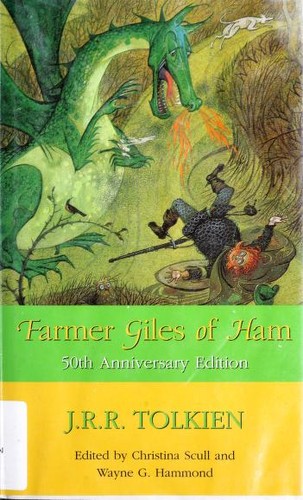
A comic, mock-medieval tale of an ordinary English farmer who sees off a giant and outwits a dragon named Chrysophylax, more by luck than bravery. Light-hearted, low-stakes and quietly funny — the warm cousin of the bigger books.
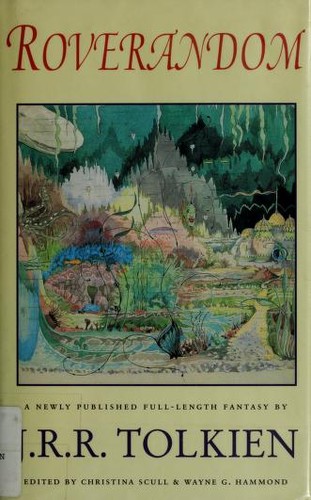
Roverandom 1998
A whimsical story of a little dog turned into a toy by a wizard, who then adventures on the Moon and under the sea. Tolkien first told it to comfort his young son, and it wasn't published until 1998, long after his death.
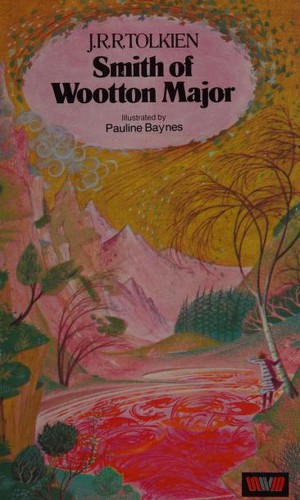
Smith of Wootton Major 1967
A gentle, reflective fairy-story about a village man who swallows a magical star and so may wander into the land of Faery. One of his last published works, and a quiet, bittersweet read for an evening by the fire.
The Lord of the Rings 1954
The grander sequel to The Hobbit: a fellowship's perilous quest to destroy the One Ring and undo the Dark Lord Sauron, published in three volumes from 1954 to 1955. Not a cosy book, but the cornerstone the whole genre rests on.
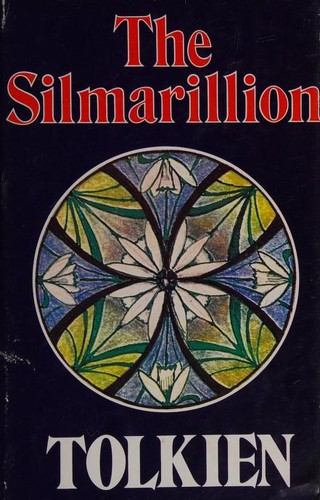
The Silmarillion 1977
The mythic backstory — the making of Tolkien's world and the elder days of Middle-earth, including the wars over the jewels called Silmarils. Assembled, edited and published by his son Christopher in 1977; best saved until the world has its hooks in you.
Good questions
What order should I read J.R.R. Tolkien's books in?
For Middle-earth, read The Hobbit first, then The Lord of the Rings — one novel issued in three volumes, in order: The Fellowship of the Ring (1954), The Two Towers (1954), The Return of the King (1955). Afterwards, The Silmarillion and the other Middle-earth writings open up the deeper mythology and backstory.
Should I read The Hobbit before The Lord of the Rings?
Yes — it's the gentler, shorter way in, it comes first both by publication and within the story, and it introduces Middle-earth and the magic ring that later drives the larger book.
Is The Lord of the Rings one book or a trilogy?
It's a single novel that was published in three volumes between 1954 and 1955 — Fellowship, The Two Towers and The Return of the King. Read as one continuous story, in that order.
Do I need to read The Silmarillion, and is it difficult?
You don't need it to enjoy The Hobbit or The Lord of the Rings — it's a separate collection of mythic tales about the creation of the world and the elder days, edited and published posthumously by Christopher Tolkien. Save it for when you want the deeper mythology, not as a starting point.
Are Tolkien's books suitable for children?
The Hobbit is a warm children's fantasy, and Farmer Giles of Ham, Roverandom and Smith of Wootton Major are gentle, whimsical tales — Roverandom was first told to comfort his own young son. The Lord of the Rings and The Silmarillion are grander and darker, better suited to older readers; none of it trades in graphic or spicy content.
What should I read after Tolkien?
If it was the homely warmth of The Hobbit you loved, stay with his lighter fairy-stories — Farmer Giles of Ham, Roverandom and Smith of Wootton Major. From there, our cosy-fantasy shelves are the place to wander for more of that fireside feeling.
 Hearthside AdventureReluctant Hero
The Hobbit
Hearthside AdventureReluctant Hero
The Hobbit